

How to Build a Fruit and Vegetable Cold Storage
Building a fruit and vegetable cold storage requires careful planning and professional design.
1. Early Planning:
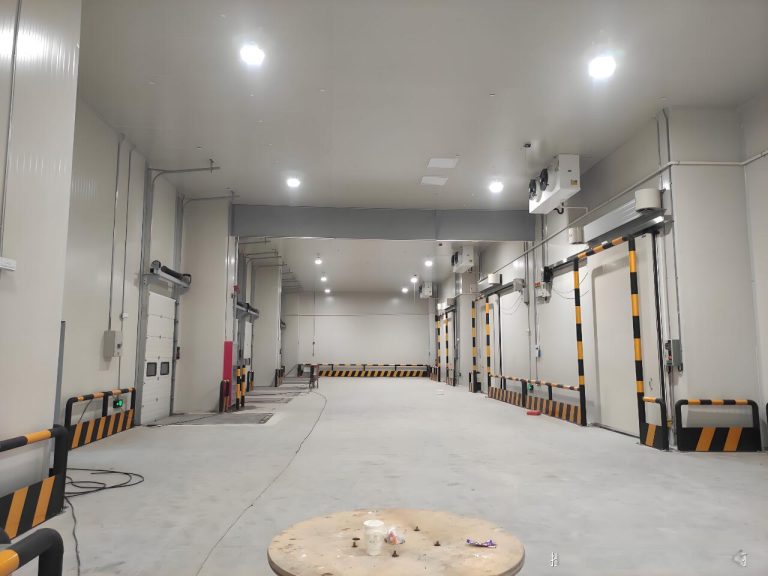
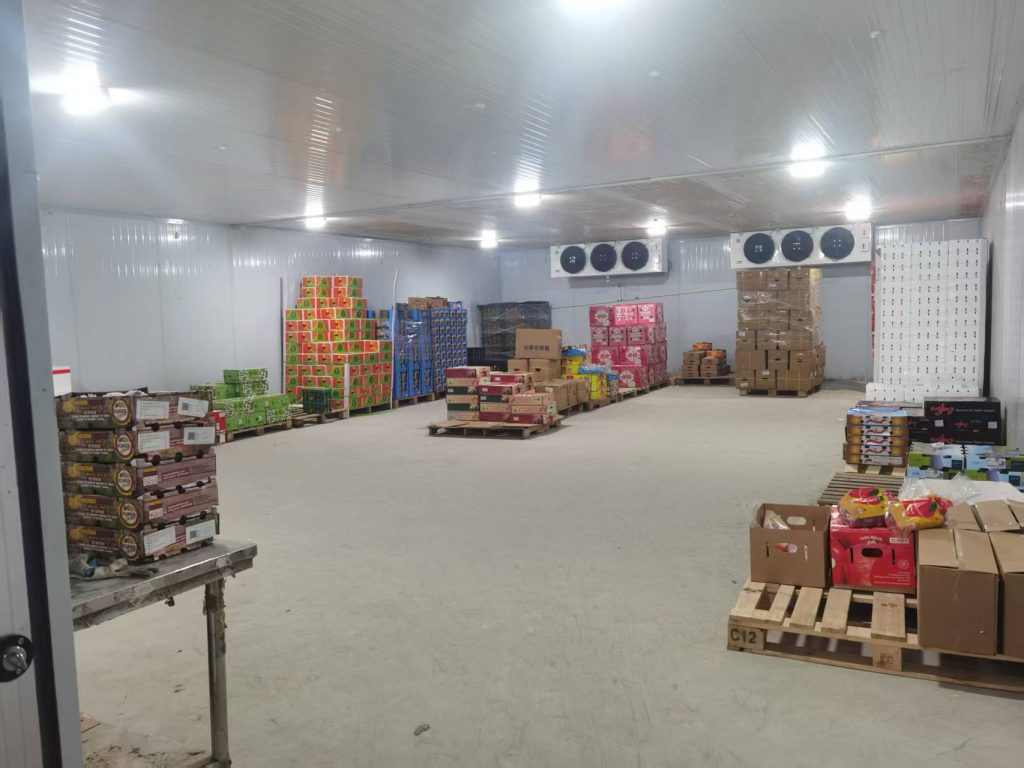
Start by determining the scale of the cold room based on the type and quantity of produce. High-temperature rooms (0°C–10°C) are used for preservation, while low-temperature rooms (below -18°C) are for deep freezing. Choose a suitable location with convenient transportation, stable power supply, good drainage, and dry, ventilated conditions.
2. Cold Room Design:
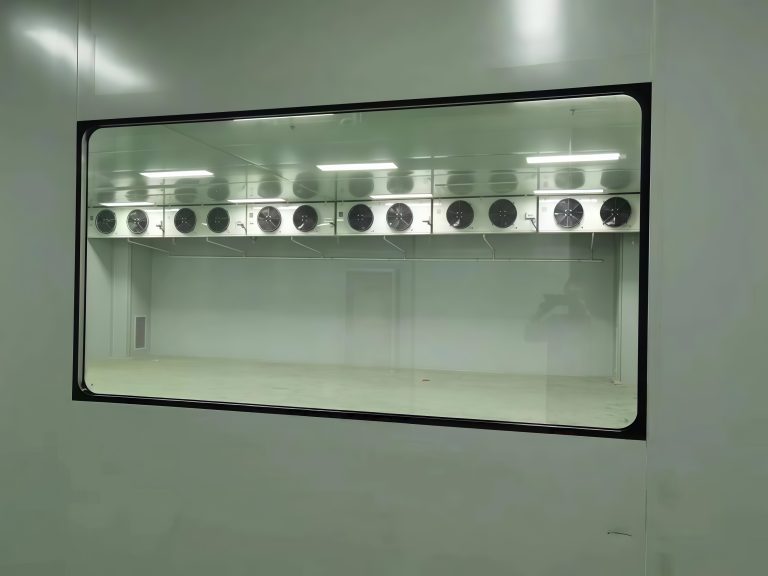
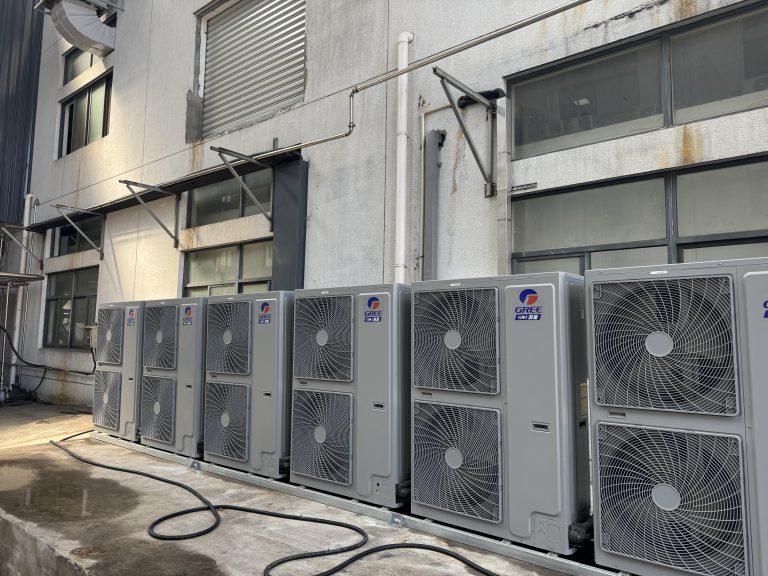
Design the insulation system using high-performance materials such as polyurethane or polystyrene panels to minimize heat transfer. Select an appropriate refrigeration system—compressor units and air coolers—based on size and temperature needs. Plan an efficient ventilation system to maintain fresh air and uniform humidity, and include a reliable electrical system for lighting, temperature and humidity control, and safety alarms.
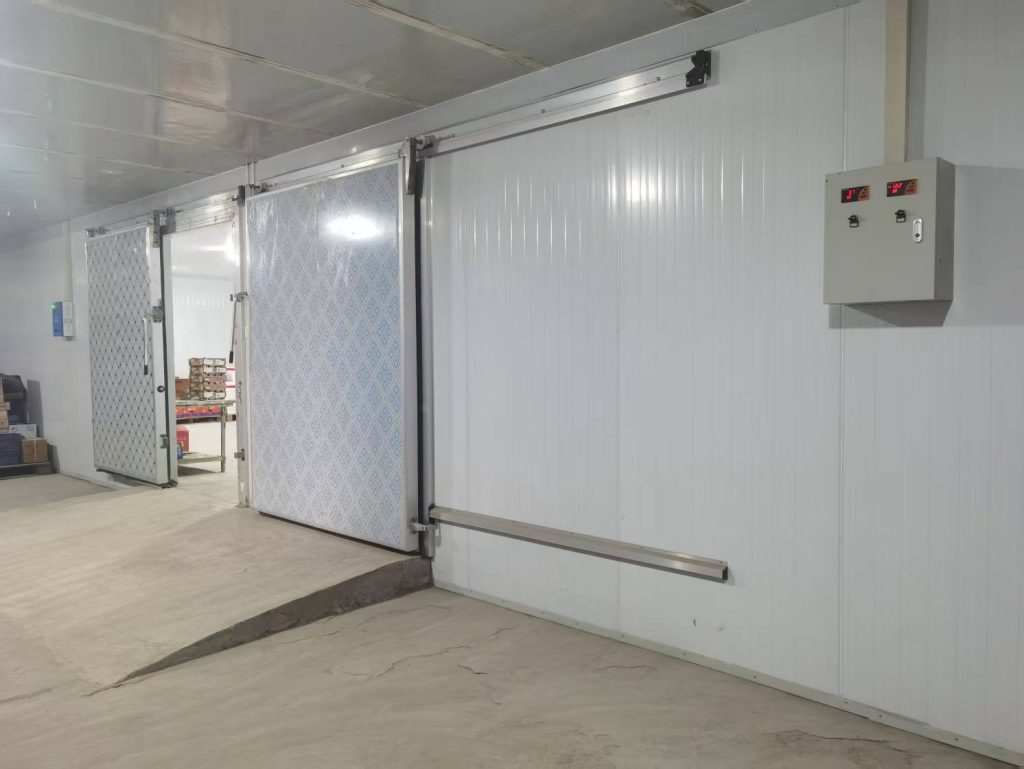
3. Construction Phase:
Build the cold room structure following design standards to ensure airtightness and insulation. Install refrigeration and ventilation equipment by professionals, followed by electrical devices such as lights, sensors, and control panels.
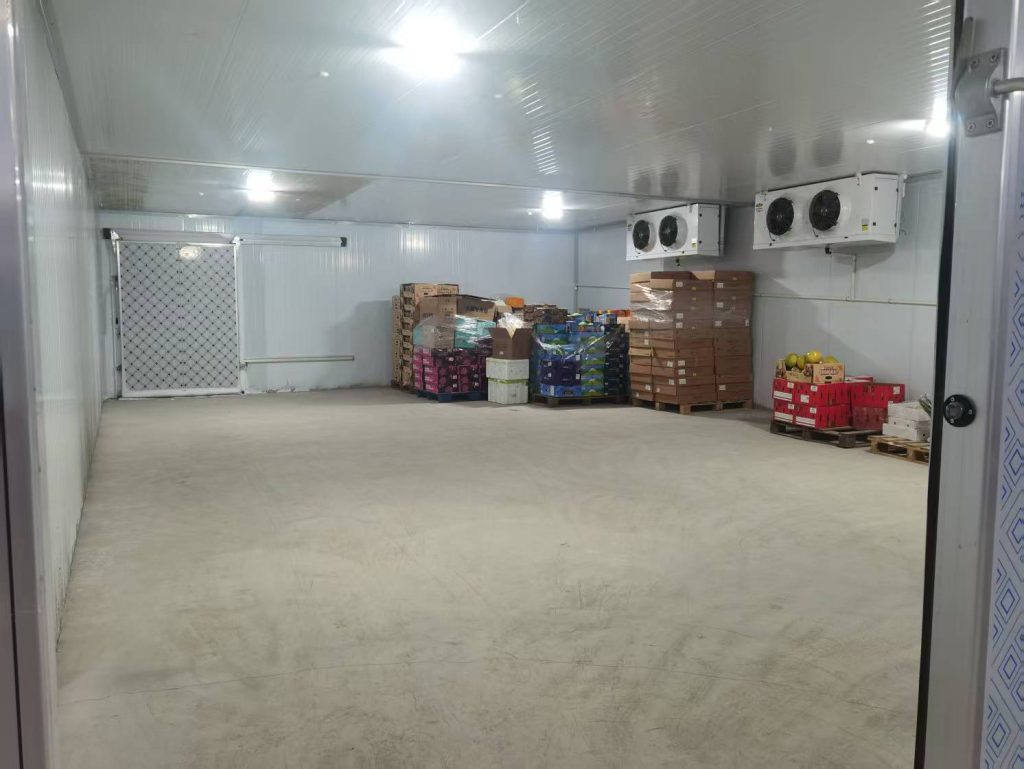
4. Commissioning:
Finally, adjust the temperature settings and test the refrigeration performance to confirm the system meets design requirements.
A well-designed fruit and vegetable cold storage ensures freshness, reduces spoilage, and improves overall efficiency in the supply chain.
Frequently Asked Questions (FAQ)
1. How long can a refrigerated container run?
With a proper power source, refrigerated containers can run continuously, maintaining stable temperatures for weeks.
2. Can refrigerated containers be used as permanent storage?
Yes, they can, but cold rooms are often more cost-effective for long-term storage.
3. What sizes are available?
The most common are 20ft and 40ft refrigerated containers, but custom solutions are also possible.
4. What industries benefit most from reefer containers?
Food & beverage, pharmaceuticals, chemicals, and logistics companies benefit the most.