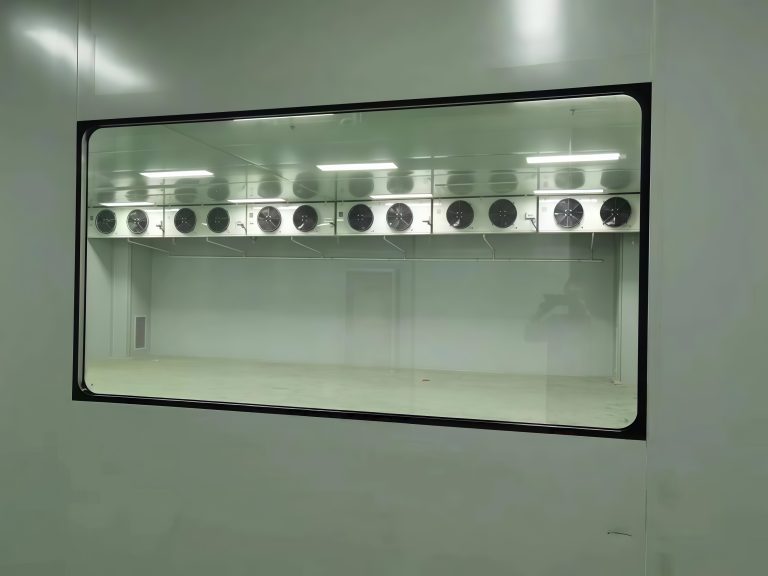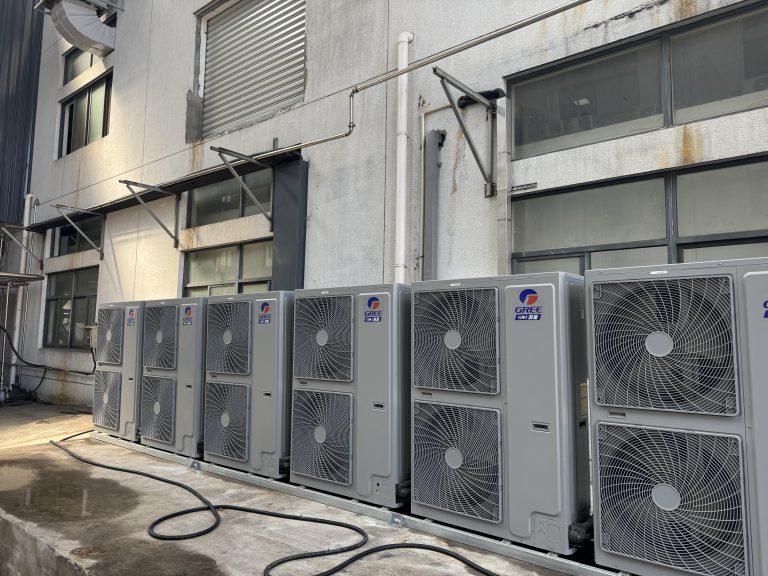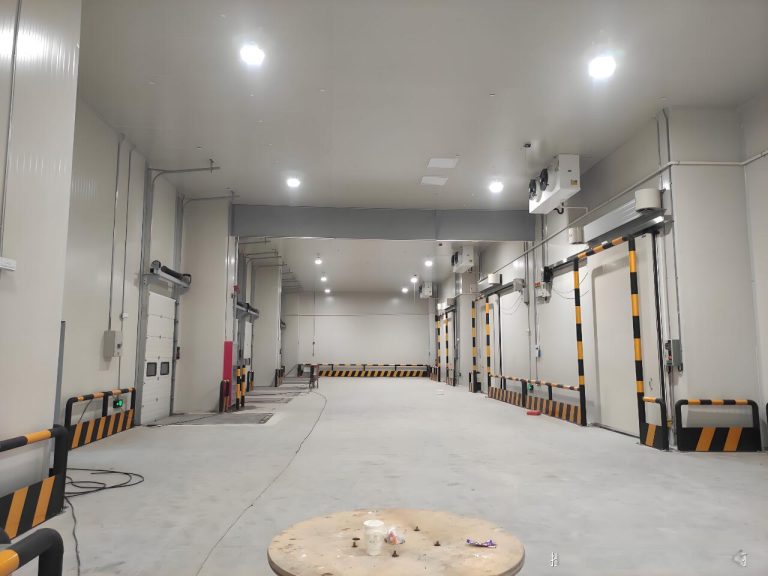


青果冷蔵倉庫の作り方
Building a fruit and vegetable cold storage requires careful planning and professional design.
1. Early Planning:
Start by determining the scale of the cold room based on the type and quantity of produce. High-temperature rooms (0°C–10°C) are used for preservation, while low-temperature rooms (below -18°C) are for deep freezing. Choose a suitable location with convenient transportation, stable power supply, good drainage, and dry, ventilated conditions.
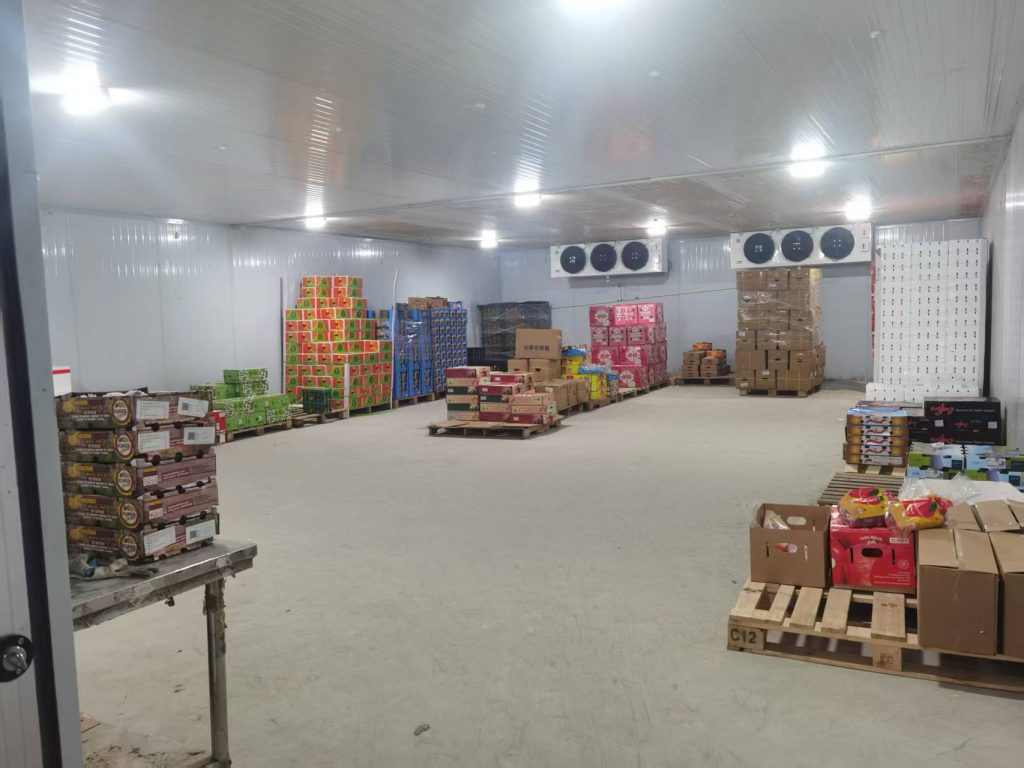
2. Cold Room Design:
Design the insulation system using high-performance materials such as polyurethane or polystyrene panels to minimize heat transfer. Select an appropriate refrigeration system—compressor units and air coolers—based on size and temperature needs. Plan an efficient ventilation system to maintain fresh air and uniform humidity, and include a reliable electrical system for lighting, temperature and humidity control, and safety alarms.
3. Construction Phase:
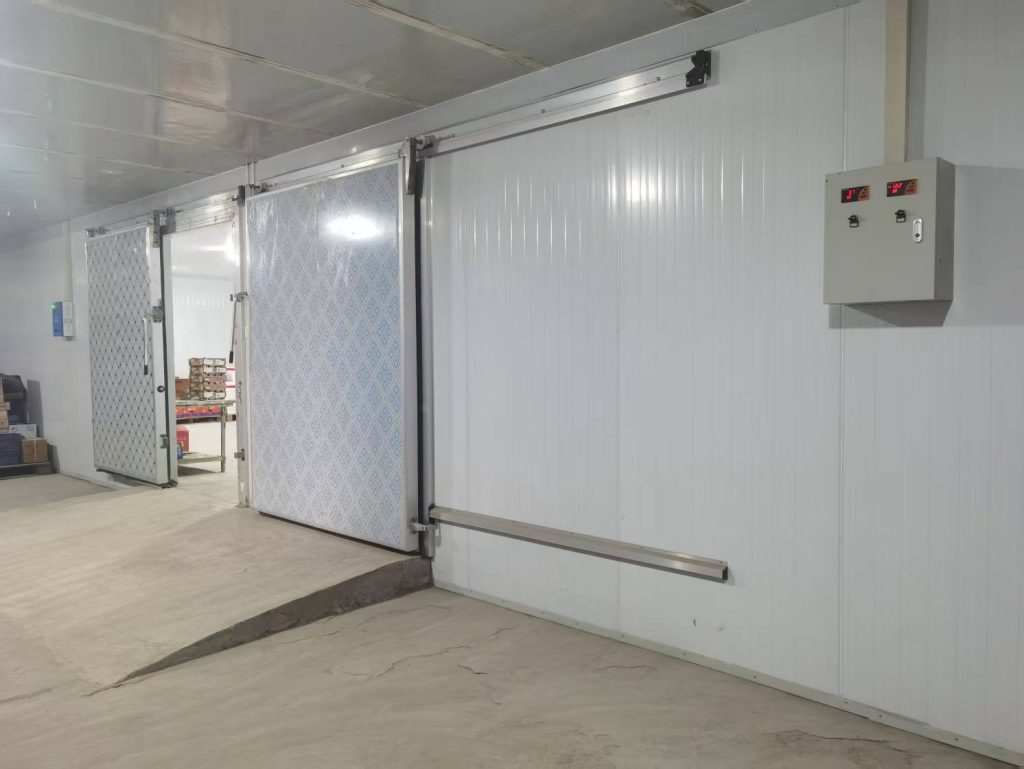
Build the cold room structure following design standards to ensure airtightness and insulation. Install refrigeration and ventilation equipment by professionals, followed by electrical devices such as lights, sensors, and control panels.
4. Commissioning:
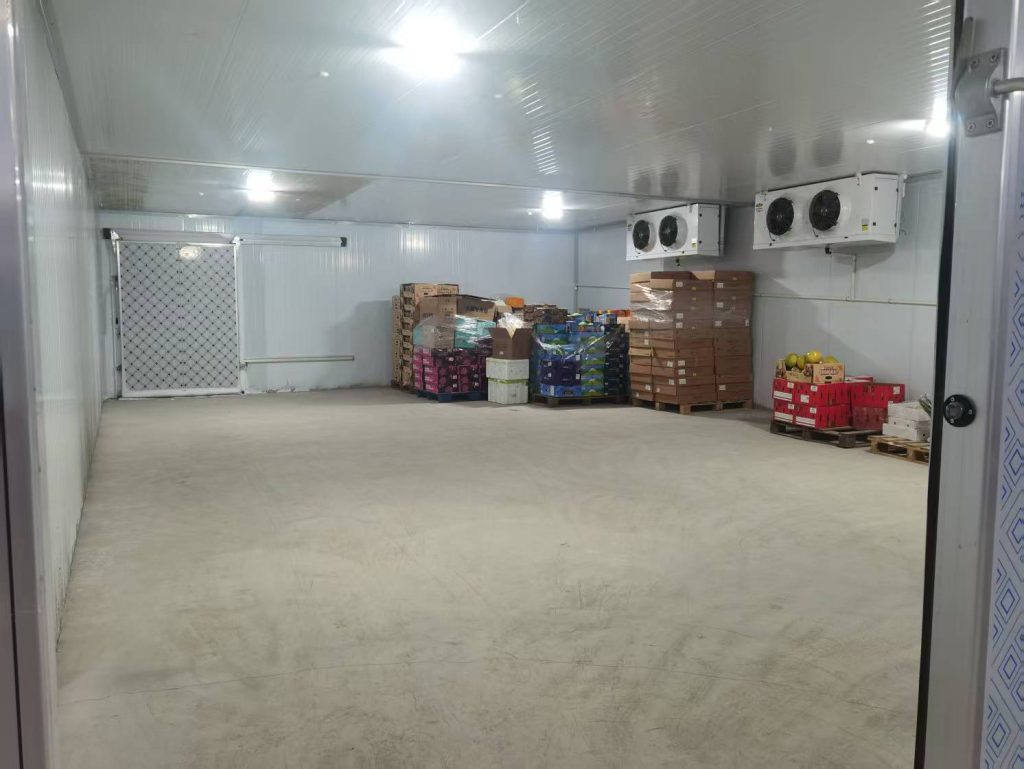
Finally, adjust the temperature settings and test the refrigeration performance to confirm the system meets design requirements.
A well-designed fruit and vegetable cold storage ensures freshness, reduces spoilage, and improves overall efficiency in the supply chain.
よくある質問(FAQ)
1.冷蔵コンテナはどのくらい稼働できますか?
適切な電源があれば、冷蔵コンテナは連続運転が可能で、何週間も安定した温度を保つことができる。
2.冷蔵コンテナは常設保管庫として使用できますか?
しかし、長期保存にはコールドルームの方が費用対効果が高い場合が多い。
3.どのようなサイズがありますか?
最も一般的なのは 20フィートおよび40フィート冷蔵コンテナしかし、カスタムソリューションも可能である。
4.リーファーコンテナから最も恩恵を受ける産業は?
食品・飲料、製薬、化学、物流企業が最も恩恵を受ける。