

El papel vital de las cámaras frigoríficas y el almacenamiento en frío en las cadenas de suministro modernas
1. Introduction: Preserving Quality, Ensuring Safety
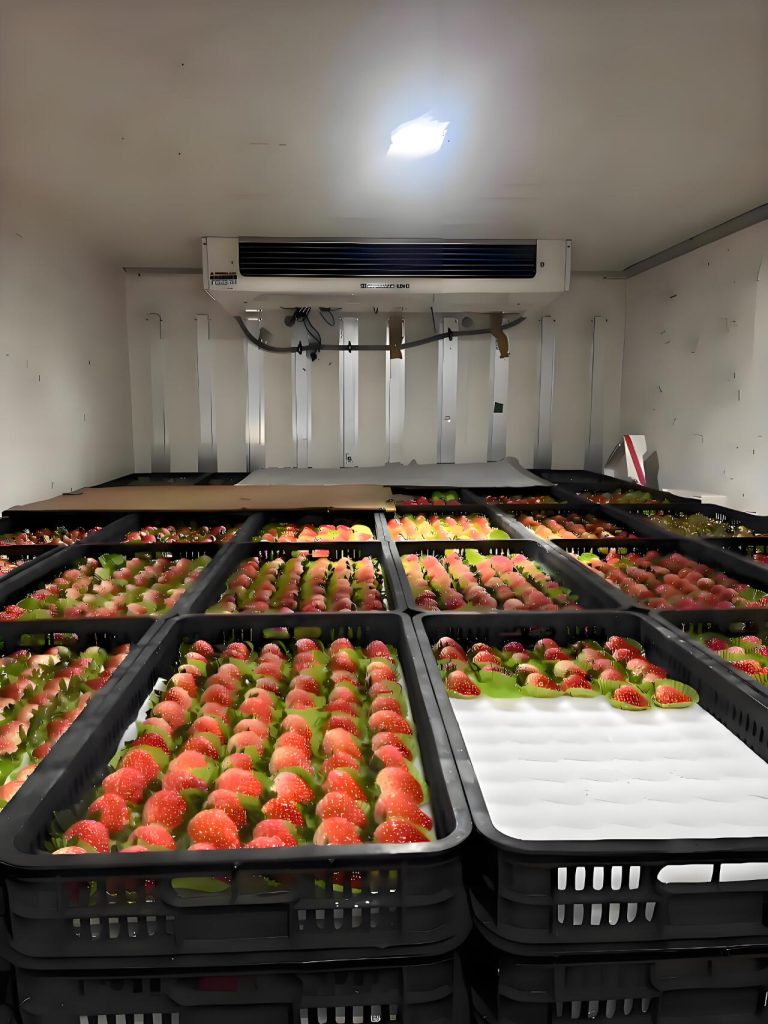
Cold rooms and cold storage facilities are cornerstones of modern logistics, science, and food safety. While often used interchangeably, these terms refer to critical, temperature-controlled environments designed to slow down biological and chemical processes. Their primary function is to preserve the quality, extend the shelf life, and maintain the safety of temperature-sensitive goods, from perishable foods and pharmaceuticals to chemicals and biological samples.
2. Defining the Essentials: Cold Rooms vs. Cold Storage
Understanding the difference between these two terms is key to appreciating their application in the industry:
2.1. Cold Room (Walk-in Cooler/Freezer)
- Definition: Typically a smaller, prefabricated, or modular temperature-controlled chamber.
- Purpose: Used for short-term storage, daily inventory management, or applications requiring frequent access.
- Características principales: Easily assembled cold room panels (sandwich panels), smaller compressor units, and simple access doors (e.g., swing door freezer). Commonly found in restaurants, hotels, hospitals, and small distribution centers.
2.2. Cold Storage (Warehouse/Industrial Facility)
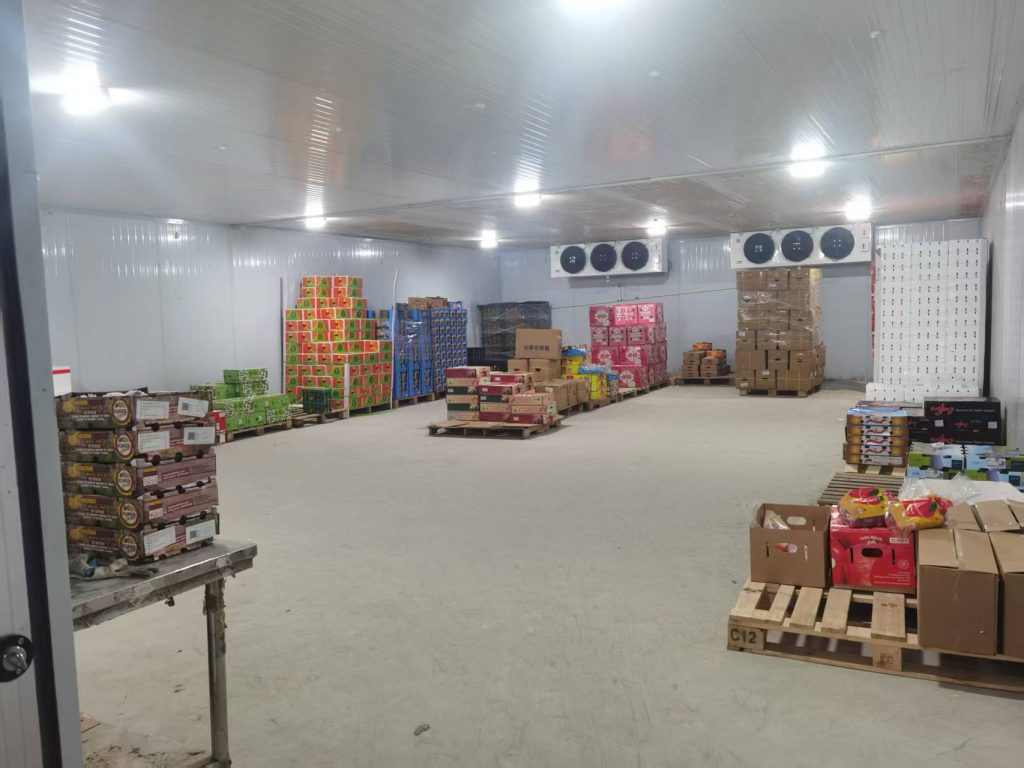
- Definition: A large-scale, often multi-temperature, facility or warehouse dedicated to long-term, high-volume, refrigerated storage.
- Purpose: Used for bulk inventory, centralized distribution, and maintaining the global refrigerated trucking network.
- Características principales: Advanced industrial water-cooled chillers or large condensing units, extensive insulation, and highly specialized access systems like sliding door freezer systems. Critical for industrial cold storage and large logistics companies.
3. Core Components and Technologies
Effective temperature control relies on a suite of specialized commercial refrigeration equipment:
- Insulation: Cold room panels (polyurethane sandwich panels) are essential for thermal efficiency, minimizing heat transfer, and reducing energy consumption.
- Refrigeration Units: Includes the cold room compressor unit, condensers, and evaporators (industrial evaporative cooler or standard evaporative cooler). These components work together to extract heat from the storage space.
- Access Systems: Specialized Doors for Cold Storage (including hinged or sliding freezer doors) are designed with strong seals and heating elements to prevent ice build-up and maintain the thermal envelope.
- Lighting: LED Cold Storage Light fixtures are used to minimize heat generation while providing necessary illumination, a critical energy-saving feature.
4. Key Applications Across Industries
The demand for reliable cool room and cold storage solutions spans multiple sectors:
- Food & Beverage: Storing meat, produce, dairy, and prepared meals to prevent spoilage and maintain freshness.
- Pharmaceuticals: Maintaining the integrity of vaccines, medicines, and sensitive biological samples within strict temperature ranges.
- Horticulture: Extending the life of flowers, plants, and seeds before distribution.
- Chemicals & Manufacturing: Storing volatile or temperature-sensitive chemicals and materials that require specific environmental conditions.
5. The Future: Efficiency and Sustainability
The cold chain industry is rapidly evolving towards greater efficiency and sustainability. Focus areas include optimizing the design of the cold room for better insulation, utilizing natural refrigerants, and implementing smart monitoring systems to detect and prevent temperature excursions, thereby ensuring continuous product safety and reducing operational costs.